Discover Exactly What Is Turf Toe And How To Heal It Fast 2026
Ever had some debilitating sharp pain like gout in your big toe after a hard run? Now all active people wanna know, what the hell is turf toe? It’s a common, albeit painful strain of the primary joint at the root of your big toe. This is a simple problem that you can address, once you understand how it affects your daily movement. The injury occurs when the toe is forced upward too quickly.
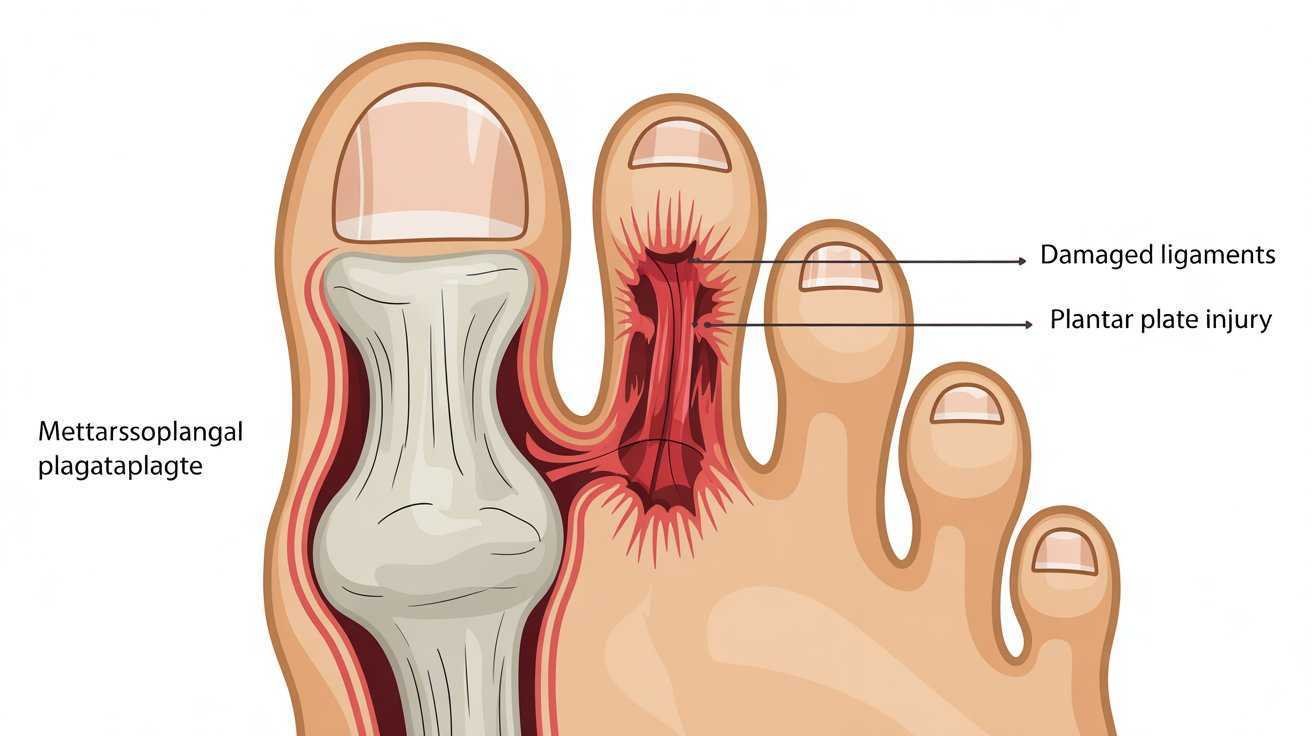
The ligaments beneath are stretched or torn. Anyone — from weekend amateurs to professional superstardom — can be set aside by it. Traditionally, it is said that knowing the right facts helps you protect your feet. You should be able to walk, run and play with out your feet distracting you with nagging pain. Together, let’s move through this injury so that you heal quickly and feel good.
What Is Turf Toe Exactly?
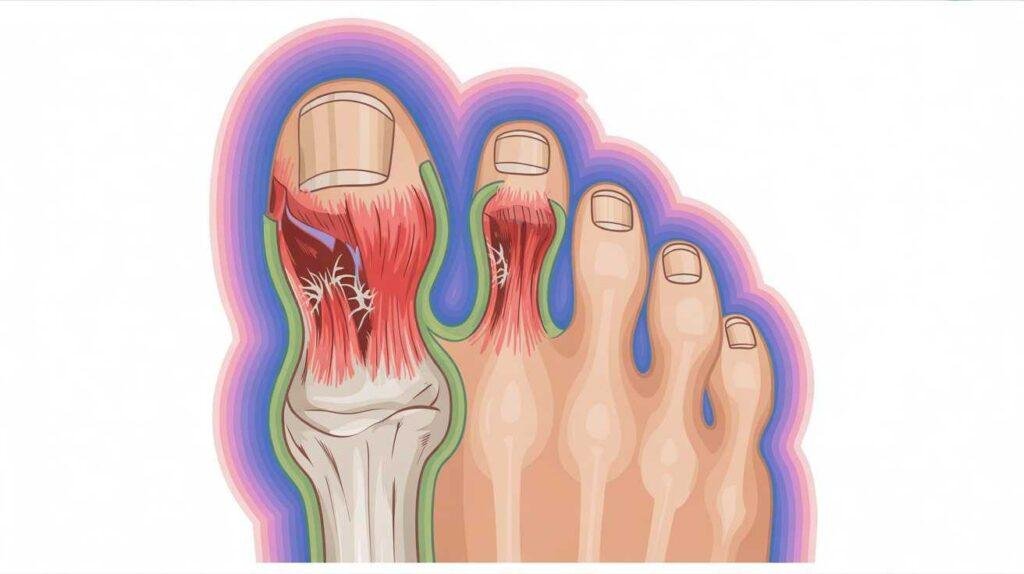
So the common question is, what exactly is turf toe? This is a particular type of ligament damage. The joint in your big toe plays a major role in helping you push off the ground. If you received the question what is turf toe injury you would be referring to an injury to the soft tissues underneath this junction. These tissues are called ligaments. They support your bones, like thick rubber bands preventing them from spreading apart. If you push them beyond their normal threshold, they rip.
It leads to swelling, discoloration, and extreme agony. I have witnessed countless athletes try to power through this pain in the beginning. They believe that it is nothing more than a stubbed toe. AFK Arena — Obviously, this isn’t just it. Having an understanding of this simple definition is the first step towards the appropriate treatment. You need to give your feet the TLC they require to remain mobile.
What Is Turf Toe Caused By In Daily Life?
The question you may be wondering is, what causes turf toe in normal activity? Main cause is overextension of the great toe. Which means the toe is pushed up too much. But it usually occurs on soft areas suchas artificial grass. This explains the name, and you’ll get to understand the name as well. Your foot stays planted to the earth, however your body continues to ramble ahead.
This makes the toe have to bend in strange positions. It is not just limited to sports, it can be done in dancing and martial arts too. It is aggravated by wearing highly flexible shoes with no support. Now, I preach stiff-soled shoes for hard workouts. It holds the toe back so it does not bend too much. The best prevention against this nasty injury is to protect your joints. A good pair of shoes make you walk in peace
What Is Turf Toe In Football?
If you love American sports, knowing what is turf toe in football is very important. Football players face a huge risk because of how they play. They sprint, make sudden cuts, and tackle others constantly. When people ask about what is turf toe injury in football, I point to the turf itself. Modern artificial fields can be very sticky. A player’s cleat gets stuck in the turf while their body keeps sliding forward.
This creates a massive force on the big toe joint. Quarterbacks and wide receivers suffer from it the most. I remember watching top NFL stars miss entire seasons because of this exact issue. It completely ruins their ability to push off and run fast. Proper cleats and field maintenance are vital for keeping these athletes safe.
Spotting The Signs Of This Painful Injury
If you wonder what is turf toe, look for these clear signs in your foot. The very first sign is immediate pain at the base of your big toe. You might also hear a popping sound when the injury happens. Swelling usually starts within a few minutes. The area will feel very tender if you touch it. Bruising can appear a day or two later. You will notice it is hard to walk or run normally.
Pushing off your foot will feel like stepping on a sharp rock. Some people try to walk on the outside of their foot to avoid the pain. This is a bad idea because it hurts your ankle and knee. Stop your activity right away if you spot these signs. Rest is your best friend at this exact moment.
Understanding The Different Grades Of This Foot Condition
Doctors group this injury into three different grades. This helps them plan the best treatment for you. Grade one is a mild stretch of the ligaments. You will feel some pain and slight swelling, but you can still walk. Grade two is a partial tear. This brings more pain, lots of bruising, and a limp. Moving the toe becomes very difficult.
Grade three is a complete tear of the tissues. This is a severe injury with extreme pain and massive swelling. You will not be able to put any weight on the foot at all. Seeing a doctor is the only way to know your true grade. They will take an X-ray or MRI to see the exact damage inside your foot.
A Complete Detailing Table For Fast Recovery
Looking at the facts in a clear way helps you understand your healing path. When you learn what is turf toe, you need a solid plan to get better. This table breaks down the grades, symptoms, and healing times for you. It gives you a powerful visual guide to track your progress. You can use this information to have a smart talk with your doctor.
Knowing what to expect removes fear and builds confidence. Always remember that healing takes patience. Your body is amazing and will repair itself if you give it the right rest. Check out the detailed table below to see exactly how each level of this injury is handled by medical experts today.
How To Read Your Healing Chart
Reading this chart is very helpful if you want to see what is turf toe recovery looks like. If you have a mild issue, you can expect to heal in just a few weeks. But if your tear is severe, you must prepare for a longer healing time. This table proves why seeing a doctor is so important. You cannot guess your injury grade at home. A doctor uses the healing times in this chart to set your expectations.
They will tell you exactly when you can return to your favorite sports. Following their advice ensures you do not hurt yourself again. Use this table as a motivation tool to stick to your recovery plan. Every day of rest brings you closer to stepping back onto the field.
Getting A Proper Medical Diagnosis
You should never guess what is turf toe without seeing a medical professional. When friends ask me what is turf toe, I always say it requires a doctor to confirm it. A doctor will start by asking how your injury happened. They will gently press on the joint to find the sore spots. Next, they will move your toe to test its range of motion. To be completely sure, they will order an X-ray.
This is a crucial step. An X-ray rules out any broken bones in your foot or toe. Sometimes, they might ask for an MRI scan. An MRI gives a perfect picture of your soft tissues. It shows exactly if the ligament is stretched, partially torn, or fully ripped.
Home Remedies For Quick Pain Relief
Treating what is turf toe starts with great home care right after the injury. The best method is the classic RICE protocol. R stands for rest. Stop playing your sport immediately. I stands for ice. Put an ice pack on your toe for twenty minutes every few hours. C stands for compression. Wrap your foot with a soft bandage to stop swelling. E stands for elevation.
Keep your foot raised above your heart level. Over-the-counter pain medicine can also help you feel much better. Ibuprofen reduces both pain and swelling quickly. You can also tape your big toe to the next toe for extra support. These simple home steps are incredibly powerful. They lay the foundation for a fast and smooth recovery process.
What Is Turf Toe Surgery And When Do You Need It?
Most people heal without any operations. But you might ask, what is turf toe surgery? It is a medical procedure to fix a completely torn ligament or a broken bone fragment. Doctors only suggest surgery for severe grade three injuries. If your joint is totally unstable, you might need it. Surgery is also needed if a tiny piece of bone broke off during the injury.
The surgeon will repair the torn tissues and clean out the joint. After surgery, you will wear a special boot or a cast for several weeks. Physical therapy is the next big step to regain your strength. I always remind people that surgery is a last resort. It has a longer recovery time. But it can give you your active life back when nothing else works.
Steps To Prevent Future Foot Problems
Stopping this injury before it happens is the smartest move you can make. If you understand what is turf toe, you know prevention is key. Choosing the right footwear is your first line of defense. You need shoes with a very stiff sole. This stops your toe from bending too far upward. If you play sports on artificial turf, get shoes with shorter cleats. Shorter cleats do not get stuck in the grass as easily.
Stretching your feet and ankles before exercise is also very important. Strong calf muscles and flexible ankles support your toe joints better. I always tell my friends to warm up for at least ten minutes. A good warm-up prepares your whole body for fast movements. Taking these easy steps keeps your feet safe and powerful all year long.
Returning To Sports Safely And Strongly
Understanding what is turf toe after that how does turf toe affect your game and getting back is all about patience. Never play until you are 100% pain free again. One of the worst things you can do is start too early. This was only going to cause more harm and time off the field. Once the doctor gives a go-ahead resume from light jogging. After that, add in lateral movements and running.
Your chiropractor will provide you with specific foot exercises to strengthen the toes. In the first few weeks back it can help to wear a special insole, or tape your toe. Always listen to your own body But if you experience any pain—sharp pain—stop immediately. A safe return implies you will run faster and stronger than before your injury.
Frequently Asked Questions
Can turf toe heal on its own without a doctor?
Yes, mild cases can heal on their own. When people ask, what is turf toe, they learn it is just a sprain. A mild sprain heals well if you take great care at home. If you only have a slight stretch of the ligament, rest is your best tool. You must stop all activities that cause pain. Using ice and keeping your foot elevated will help a lot.
Wearing stiff shoes will also protect the joint while it heals. However, you should still see a doctor if the pain does not go away after a few days. A doctor can make sure you do not have a hidden bone fracture. Ignoring a bad injury can lead to long-term foot problems. Always trust your body and seek help if the pain stays.
How long does the average recovery take?
The recovery time depends totally on how bad the injury is. A mild grade one sprain usually heals in one to two weeks. You can walk normally during this time with little discomfort. A grade two partial tear takes much longer. You might need three to four weeks to feel completely better. A severe grade three tear is a major setback.
It often takes six to eight weeks just to heal the tissues. If you need surgery, the recovery time can be several months. You must also add physical therapy time to fully rebuild your strength. Every person heals at their own unique pace. Do not rush the process or you will risk hurting yourself again.
Should I play through the pain if it feels minor?
You should never play through any pain in your big toe joint. Pain is your body’s warning system telling you that something is wrong. If you keep playing, a mild stretch can easily turn into a full tear. The damage will become much worse with every step you take. I have seen many athletes try to push through the pain.
They always end up missing more games later because of it. Stop your activity immediately and start resting. Putting ice on the area right away can save you weeks of recovery time. Be smart and protect your future health. Sitting out one game is much better than missing an entire season. Your long-term health is always more important than one single game.
What type of shoes help prevent this injury?
The best shoes have a very firm and stiff sole. You should not be able to easily bend the front of the shoe with your hands. This stiffness prevents your toe from bending too far upward. If you play on artificial grass, choose shoes with shorter cleats. Shorter cleats release from the turf much faster.
This stops your foot from getting stuck in the ground. Many football players actually wear metal plates in their shoes for extra protection. You can also buy special shoe inserts that add stiffness to your current sneakers. Visit a good sports store and ask an expert to fit you properly. Great shoes are a wonderful investment in your overall health and athletic performance.
Is heat or ice better for treating this injury?
Ice is always the best choice during the first few days after the injury. Ice helps shrink the blood vessels and reduces painful swelling. You should apply an ice pack wrapped in a towel for twenty minutes at a time. Never put ice directly on your bare skin. After the first three or four days, you can switch to heat.
Heat brings fresh blood to the area. This fresh blood carries nutrients that help repair the damaged ligaments. A warm soak can feel very good when the sharp swelling goes down. Always remember that ice controls the early damage, and heat helps the later healing. Using them at the right times makes a huge difference in your comfort.
Can young kids get this injury too?
Yes, young kids can definitely suffer from this painful injury. Children play very hard and often do not realize they are hurt. Kids who play football, soccer, or dance are at a high risk. Their ligaments are still growing and can get stretched easily. The signs are exactly the same as in adults. They will have pain, swelling, and trouble walking.
If your child complains of big toe pain after a game, take it seriously. Do not force them to keep playing. Make them rest and put ice on the foot right away. Take them to a pediatric doctor if the pain does not stop. Protecting their growing feet is very important for their future athletic success and happiness.
Conclusion
Understanding exactly what is turf toe gives you the ultimate power to protect your body. It is a painful sprain that can stop you from doing the things you love. But with the right knowledge, you can prevent it or treat it perfectly. Always wear stiff shoes and listen to your body when it hurts. If you ever get hurt, remember the RICE protocol right away.
See a doctor to find out how bad the injury truly is. Follow their healing plan step by step without rushing. You have the strength to overcome this injury and come back stronger. Take care of your feet, and they will take care of you. Share this helpful guide with your friends to keep them safe and active today!
You Also Like To Read: Kara Dart: The Strength, Love, and Legacy Behind the Star Quarterback