Sick of the BRAT Diet? Here’s What Your Gut Actually Needs
You wake up queasy at 3 a.m. The bathroom becomes your new headquarters. A recollection strikes as you go back into bed: Mom always advised eating toast, rice, bananas, and applesauce. That old brat diet promise sounds like the only thing you can handle right now. But here is the catch: modern medicine left that advice behind years ago. You can typically prolong your suffering by sticking to those four foods. Let’s walk through what actually speeds up healing and when you might still use a short, smart version of the brat diet.
What the BRAT Diet Really Stands For
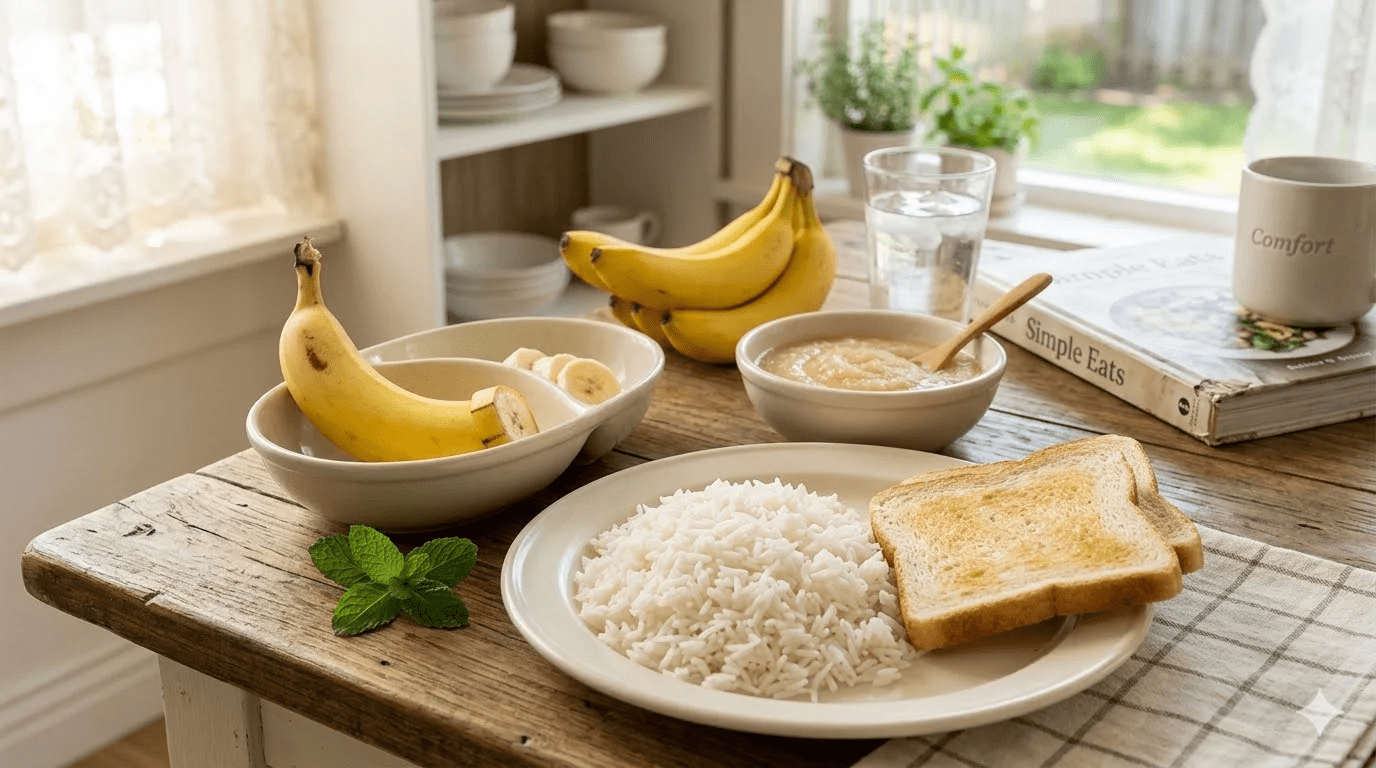
BRAT represents bananas, rice, applesauce, and toast. Pediatricians created this plan in 1926 to help children recover from severe bouts of diarrhea and vomiting. The idea was painfully simple—feed the sick child only these four bland, starchy foods so the gut could rest while still getting a few calories.
For a long time, the brat diet was the first thing doctors scribbled on a prescription pad for stomach flu. Parents loved it because it was easy to remember and kept kids away from greasy, hard-to-digest meals. No one questioned the nutrition gap because the focus was purely on stopping diarrhea fast.
Why Every Pediatrician Used to Push It
Before oral rehydration drinks and better research, doctors had few tools to manage acute gastroenteritis. Antidiarrheal medicines weren’t always safe for young children, so a gentle diet seemed like a logical fix. A clean, low-residue eating model was provided by the brat diet.
Nurses passed the acronym around, and soon it became household knowledge. The plan felt safe, cheap, and required zero pharmacy trips. That kind of simplicity sticks. Even now, you’ll hear grandparents recommend the brat diet before they suggest anything else.
How the BRAT Diet Affects Your Gut (Not Always in a Good Way)
When a virus attacks your stomach lining, that lining swells up and stops absorbing water properly. The brat diet gives you simple starches that move through quickly and can firm up loose stool a little bit. Bananas bring some potassium—an electrolyte you lose fast through diarrhea. Applesauce contains pectin, a type of soluble fiber that does help bulk up watery bowel movements. Rice and toast barely tax your digestive system at all.
That all sounds helpful, and for 12 to 24 hours, it can be. The longer you stick to the brat diet, the more problems arise. Your gut repairs itself with protein. It rebuilds damaged cells with vitamins like A, C, and zinc. The brat diet delivers almost none of that. You end up giving your stomach a break but starving the repair crew.
Why Top Health Organizations Say Skip the BRAT Diet
The American Academy of Pediatrics flat-out states that the brat diet should not be used as the main treatment for children with diarrhea. Multiple clinical studies confirm that kids who go back to eating a normal, well-balanced diet within a day get better faster and have shorter diarrheal episodes.
Dr. Tina Ardon, a family medicine specialist at Mayo Clinic, puts it plainly: studies show that resuming a normal diet as soon as you feel a little better is the healthier move. The old brat diet logic—rest, restrict, repeat—just doesn’t hold up against what we know about the gut’s need for fuel during illness.
What the BRAT Diet Lacks (And Why That Matters)
Take a hard look at a full day on the brat diet. You might eat a banana for breakfast, white rice for lunch, applesauce as a snack, and dry toast for dinner. Your body gets some carbs and a sprinkle of potassium. You get almost zero protein, practically no fat, and barely a trace of calcium, iron, or B vitamins.
Your gut lining turns over cells every few days and needs amino acids to do it. Fat gives you the energy to fight off infection. All of that is eliminated by the brat diet. Continuing it for more than two days leaves you weak, sluggish, and prone to even more gut irritation once you finally eat normally again.
The Only Time a Short BRAT Diet Makes Sense
I won’t tell you to throw the brat diet in the trash. It still has one narrow use: the peak of acute stomach misery when absolutely nothing else stays down. If you’re vomiting every hour and the thought of chicken soup makes you gag, eating half a banana or a few spoonfuls of plain rice can give you a small energy boost without triggering more nausea.
Use the brat diet as a 24-hour bridge, not a week-long plan. As soon as you keep liquids down and your stomach stops cramping with every bite, add more nutrient-dense foods immediately. Staying on the brat diet longer than two days doesn’t help your gut; it just delays real healing.
Healthy BRAT Diet Foods: What to Choose
When you need the absolute gentlest option for a day, stick to this list:
| Food | Best Choice | What It Does |
| Banana | Ripe, soft, mashed if needed | Replaces lost potassium; pectin helps firm stool |
| Rice | Plain white rice, steamed well | Quick-digesting starch; very low residue |
| Applesauce | Unsweetened, smooth | Pectin helps absorb excess fluid |
| Toast | White bread, lightly toasted | Easy carbohydrate; no irritating fats |
Notice what’s missing. No butter on the toast. No brown rice or whole-grain bread—fiber is the enemy right now. No chunky, sweetened applesauce that can pull extra water into your bowel. You want everything as plain and low-fiber as possible for those first few doses of the brat diet.
Beyond BRAT: The Bland Diet That Actually Heals
Doctors now push a more varied bland diet instead of the strict brat diet. You still avoid spicy, fried, and high-fiber foods, but you open up the menu to real nutrition. This approach calms your stomach while giving your body the protein and micronutrients it desperately needs.
Foods I recommend adding early:
- Saltine crackers or plain pretzels
- Cooked oatmeal or cream of wheat
- Boiled potatoes, no skin, no butter
- Clear chicken broth or vegetable broth
- Herbal tea, lukewarm, no caffeine
- Steamed carrots or zucchini
- Plain noodles or pasta
- Skinless, baked chicken breast (day two or three)
- Scrambled eggs (day two or three)
- Plain yogurt with live cultures (introduce slowly)
You’ll notice this list has the brat diet foods in it, but you don’t have to live on them alone. A bowl of chicken broth with a few soft noodles and a side of crackers gives you fluids, sodium, and a bit of protein. That’s light-years better than white rice and toast all day.
The CRAM Diet: A Better Acronym Worth Knowing
Some hospitals in South America and parts of Asia use a different catchphrase: the CRAM diet—Cereal, Rice, Applesauce, and Milk. Research suggests it controls diarrhea symptoms just as effectively while delivering far more complete nutrition. The milk adds protein and fat, and the cereal brings fortified vitamins and minerals.
Dr. John Snyder, a professor of pediatrics at the University of California, San Francisco, points out that the CRAM diet helps kids feel better quicker because it doesn’t starve them of nutrients during recovery. If milk upsets your stomach—common with stomach bugs—swap in a lactose-free alternative or skip this particular variation. The takeaway remains the same: adding even one more nutrient source past the old brat diet list speeds up healing.
Hydration Fixes the Part Food Can’t Reach
Here’s where the brat diet conversation often misses the point completely. Dehydration kills during severe diarrhea, not lack of food. You can skip solids for days with zero long-term harm. You cannot skip fluids for even 12 hours without risking serious trouble.
What to sip consistently:
- Oral rehydration solutions (Pedialyte, Infalyte, store brands)
- Clear chicken or vegetable broth
- Coconut water
- Weak, decaffeinated tea
- Plain water, small sips at a time
Skip soda, sugary juice, and caffeinated drinks. Sugar pulls water into your intestines and makes diarrhea worse. Stick to proven rehydration drinks that match your body’s electrolyte needs. The brat diet provides no meaningful hydration beyond what little water exists in applesauce. That makes fluid management your number-one job, not the food list.
When the BRAT Diet Becomes Dangerous: Warning Signs
Don’t let commitment to the brat diet blind you to red flags. Get medical help immediately for any of these:
- Diarrhea that refuses to stop after three days
- A fever hitting 102°F (38.9°C) or higher
- Blood or mucus showing up in stool
- Dry mouth, sunken eyes, no urine for six or more hours
- Dizziness, extreme weakness, or confusion
- Inability to keep any liquid down for more than a few hours
These signals point to bacterial infections, parasites, or severe dehydration—problems no diet can fix. A doctor needs to step in, not another round of the brat diet.
What About Kids, Cancer Patients, and IBS Sufferers?
Children: The AAP says plainly: most kids should be back on a normal diet within 24 hours. Keep breastfeeding or formula feeding through the entire illness. The brat diet offers far too little for growing bodies and can create nutritional gaps fast.
Cancer patients: For diarrhea brought on by chemotherapy, some oncology teams continue to recommend a brief brat diet. But this must happen under close medical watch. Cancer treatment already puts enormous nutritional demands on the body, and a four-food restriction can do more harm than good.
IBS and IBD: If you have irritable bowel syndrome or Crohn’s disease, talk to your gastroenterologist before trying any restrictive eating plan. What soothes one person’s flare can set off another’s. The brat diet is not tailored for chronic conditions and may miss specific trigger foods you need to avoid.
Your 4-Phase Gut Recovery Plan (No Long-Term BRAT Diet Needed)
Phase 1: Liquid Rest (First 6–12 hours)
Forget food. Sip oral rehydration solution every 10 minutes. A teaspoon at a time if you’re still vomiting. Solid food will only hurt right now.
Phase 2: The BRAT Window (12–24 hours, symptoms easing)
If you feel ready, try a few bites of banana, plain rice, applesauce, or dry toast. This is your brat diet window. Keep portions tiny. Stop if pain returns. Hydrate like it’s your job.
Phase 3: Bland Expansion (24–48 hours, clearly improving)
Add crackers, oatmeal, boiled potatoes, broth, steamed carrots. A plain scrambled egg or two. Yogurt if you tolerate dairy. The brat diet era ends here.
Phase 4: Protein Reintroduction (After 48 hours)
Bring in skinless chicken, fish, tofu, soft-cooked beans. Continue cooked vegetables. Chew well. Over the next two days, ease back into your regular eating pattern, paying attention to any food that triggers symptoms.
Frequently Asked Questions About the BRAT Diet
Does the BRAT diet actually stop diarrhea?
It can slow things down a little because the foods are low-fiber and starchy, but it doesn’t cure the underlying infection. Staying on the brat diet for too long robs your body of nutrients needed to heal the gut.
How many days can I safely follow the brat diet?
Limit the brat diet to 24 hours, 48 at the very most if symptoms remain severe. Longer use leads to protein and vitamin deficiencies that weaken your immune response.
What can I drink while on the brat diet?
Oral rehydration solutions, clear broths, weak decaf tea, and small sips of water. Avoid milk, coffee, alcohol, and sugary drinks—they can worsen diarrhea and fight against the brat diet’s purpose.
Why did my doctor stop recommending the brat diet?
Major health organizations including the American Academy of Pediatrics and the CDC now advise against the brat diet as a sole treatment. Research proves kids heal faster on a regular, balanced diet.
Is the brat diet okay for adults?
Adults can use the brat diet for a day or two when symptoms peak and nothing else stays down. After that, you need real food—lean protein, cooked vegetables, and healthy starches—to recover.
What’s a better alternative to the brat diet?
A general bland diet. It expands the brat diet foods to include crackers, oatmeal, boiled potatoes, broth, steamed carrots, and eventually eggs and yogurt. This gives your body the protein and nutrients it needs without upsetting your stomach.
Fuel Your Gut, Don’t Just Silence It
The brat diet survived almost a century because it’s simple, memorable, and offers a crumb of comfort when you feel destroyed by a stomach bug. But comfort doesn’t equal healing. Your gut rebuilds itself with protein, vitamins, and minerals—not just white rice and toast. Use the brat diet as a brief pit stop during the worst hours, then move quickly to a gentle, nutrient-packed bland diet. Keep fluids flowing constantly. Watch for warning signs that demand a doctor’s attention.
You deserve a recovery that leaves you stronger, not malnourished and exhausted. Give your body the real fuel it needs, and you’ll bounce back faster than any four-food list could ever deliver.